
How to Dominate Youth Soccer Training with More from Our Blog
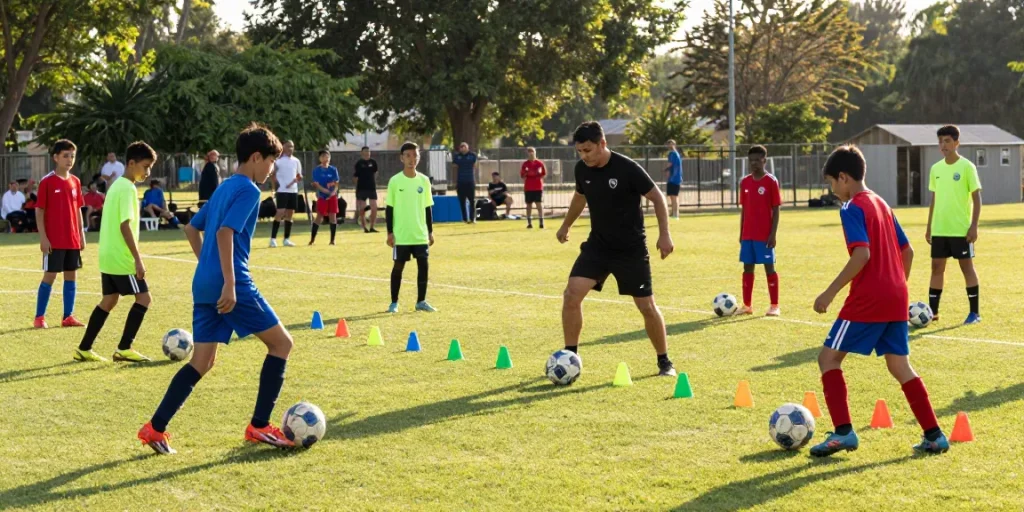
Understanding the Importance of Youth Soccer Training
Youth soccer is more than just a game played on a grassy field; it is a foundational experience that shapes young athletes’ skills, character, and future success. Engaging in soccer training at an early age plays a pivotal role in developing not only technical skills but also critical life skills such as teamwork, discipline, and resilience. As parents, coaches, and community members, understanding this importance enables us to cultivate an environment where youth soccer can flourish. When exploring options, more from our blog can offer comprehensive insights into how soccer impacts youth development.
Why Youth Training Matters for Future Success
Youth soccer training lays the groundwork for a variety of skills that athletes will rely on for years to come. Engaging in systematic practice helps young players develop essential techniques, including dribbling, passing, and shooting. Moreover, these training sessions foster a competitive spirit and the ability to handle both victory and defeat gracefully.
Success in soccer is often linked to the amount of quality training a player receives during their formative years. Studies show that athletes who start honing their skills early are more likely to excel in the sport as they progress. This not only improves their individual performance but also enhances the overall level of play within their teams.
Common Misconceptions About Youth Soccer
One prevalent misconception is that youth soccer should only focus on wins and losses. While competition can be motivational, the most significant gains arise from emphasizing skill development and enjoyment of the game. Another misunderstanding is that youth training is solely for aspiring elite players. In reality, all children can benefit from participating in soccer, gaining vital social skills and physical health advantages regardless of their performance level.
Overall Benefits of Early Sports Engagement
Engaging in soccer at a young age offers a wealth of benefits beyond physical fitness. Some notable advantages include:
- Improved Physical Health: Regular participation in soccer promotes cardiovascular health, coordination, and strength.
- Social Development: Players learn to work as a team, develop friendships, and build communication skills.
- Mental Resilience: Facing challenges in training and games helps youth cultivate a growth mindset and learn to overcome obstacles.
Effective Training Techniques for Young Players
To maximize the benefits of youth soccer training, coaches and parents must utilize effective techniques that resonate with young players. This approach not only enhances skill development but also ensures that training remains engaging and enjoyable.
Fundamental Skills Every Soccer Player Should Learn
At the core of soccer training are fundamental skills that every player must master. These include:
- Dribbling: The ability to move the ball with control while navigating through defenders.
- Passing: Learning various passing techniques promotes teamwork and strategic play.
- Shooting: Developing accurate shooting techniques is essential for scoring goals.
Drills to Enhance Agility and Coordination
Incorporating drills that focus on agility and coordination can drastically improve young players’ overall performance. Simple activities like cone drills, ladder drills, and small-sided games can help refine these skills. It is important to vary drills to maintain engagement and ensure a comprehensive skill set.
Incorporating Fun into Training Sessions
To keep young athletes motivated, training sessions should incorporate fun and creative elements. Games and challenges can make practice enjoyable while still promoting skill development. For instance, small-sided games that encourage teamwork and strategy not only build skills but also foster a love for the game.
Role of Coaches in Developing Young Athletes
Coaching youth soccer is a responsibility that extends far beyond teaching the game. Coaches play a crucial role in developing young athletes both on and off the field.
Key Qualities of an Effective Youth Coach
An effective youth coach embodies several qualities, including patience, empathy, and the ability to communicate clearly. Furthermore, an inspiring coach motivates players to give their best while also fostering a sense of belonging and inclusivity within the team.
How Coaches Can Foster a Positive Environment
Creating a positive, supportive training environment is essential for youth development. This can be achieved through consistent encouragement, constructive feedback, and recognition of effort, not just results. Coaches should also emphasize sportsmanship and teamwork to build character and resilience in their players.
Building Relationships with Players and Parents
A strong relationship between coaches, players, and parents enhances the youth soccer experience. Open lines of communication help address concerns and reinforce positive reinforcement both on and off the field. Coaches should hold regular meetings and encourage parental involvement in team activities.
Creating a Supportive Community Around Youth Soccer
A supportive community plays a vital role in fostering the growth and development of youth soccer programs. Engaging all stakeholders, from players to families, is essential for sustained success.
Engaging Parents and Families in Training
Parents and families are crucial to the development of young athletes. By actively involving families in training sessions and events, they can better understand the importance of soccer in their children’s lives. This involvement can take many forms, including volunteering, attending games, and supporting their child’s participation in team activities.
Community Resources for Soccer Development
Local community centers, schools, and sports clubs can provide essential resources for youth soccer development. Collaborations with local organizations to host events, workshops, and training camps can enhance the overall experience for players, coaches, and parents alike. These partnerships can lead to more resources and opportunities for young athletes.
Hosting Events and Tournaments to Build Morale
Organizing events and tournaments fosters a sense of community and builds morale among players and their families. These events provide platforms for showcasing skills, celebrating achievements, and creating lasting memories. Friendly competitions can motivate players to work harder while promoting a spirit of sportsmanship.
Future Trends in Youth Soccer Training
The landscape of youth soccer training is continuously evolving. As technology advances and societal trends shift, coaches and organizations must adapt to meet modern needs.
Technology’s Role in Enhancing Training Methods
The integration of technology into youth soccer training is revolutionizing how coaches approach skill development. Tools such as video analysis, performance tracking apps, and online training resources provide valuable insights that can help refine techniques and strategies. These resources empower coaches and players to make data-driven decisions.
Predictions for Youth Soccer in 2026 and Beyond
As we look toward 2026, several trends are forecasted to shape the future of youth soccer. Increased emphasis on mental health, inclusivity, and personal development will likely drive program structures. Additionally, the rise of personalized training programs supported by technology will enable tailored approaches to meet individual players’ needs.
Adapting Training Programs to Modern Needs
Adapting training programs to the changing landscape of youth sports is crucial. Coaches should focus on emphasizing life skills, mental well-being, and inclusivity, ensuring that all players feel valued and supported. This holistic approach will prepare young athletes not just for soccer but for life beyond the field.
What are the key skills needed for youth soccer?
Key skills include dribbling, passing, shooting, and tactical awareness. Developing these skills early sets a solid foundation for future play.
How can parents support their children’s soccer training?
Parents can support their children by attending games, encouraging practice, and fostering a positive attitude towards competition and learning.
What are common challenges faced by youth soccer coaches?
Challenges include managing diverse skill levels, maintaining player motivation, and navigating parental expectations.
How to balance skill development and fun in training?
Balancing skill development with fun involves incorporating games that reinforce techniques while keeping the atmosphere light and enjoyable.
What are emerging trends in youth sports training?
Emerging trends include personalized training programs, enhanced technology use, and a greater focus on mental well-being and inclusivity.