Your Complete Guide to Vape & E-Liquids: Trends, Types, and Best Practices
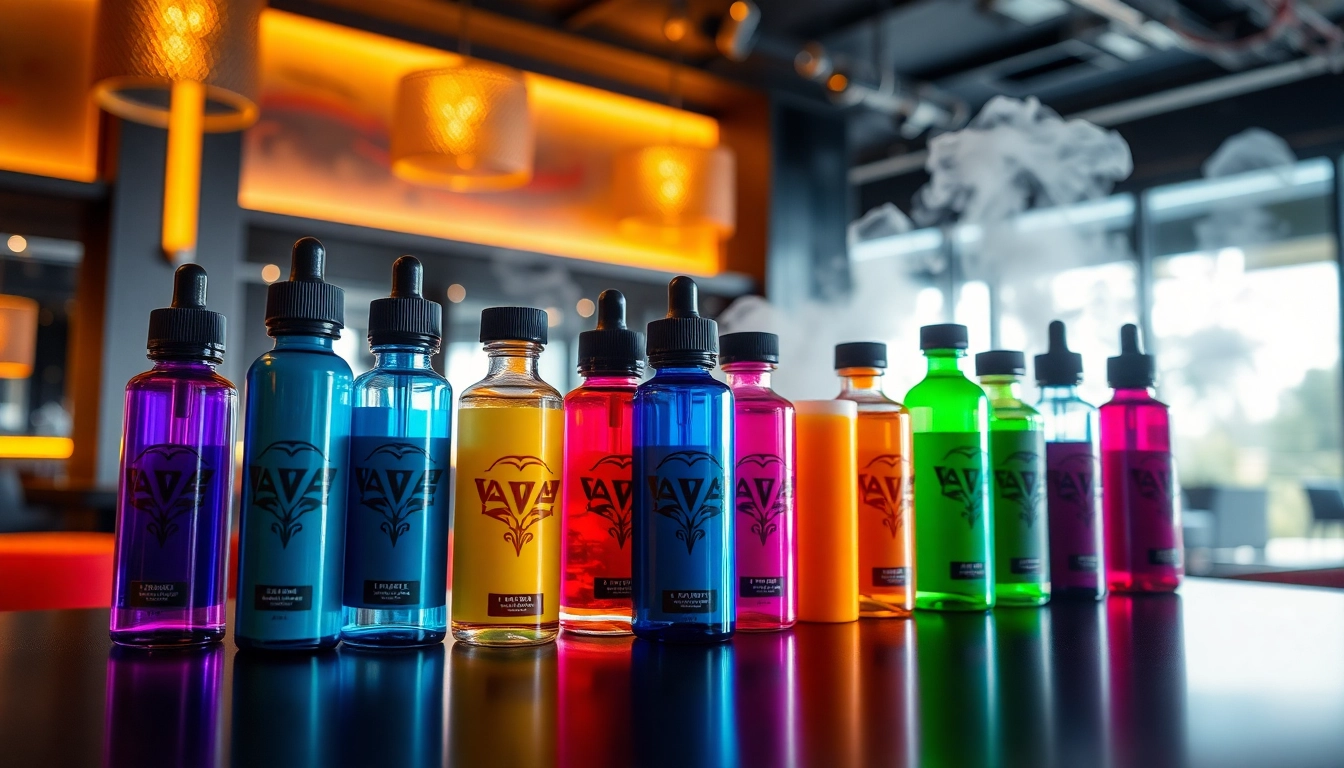
Understanding Vape & E-Liquids: A Comprehensive Introduction
As the popularity of vaping rises, it becomes increasingly essential to understand the various aspects that define this alternative enjoyment. Vape & E-Liquids are not just a passing trend; they represent a significant cultural shift, particularly among adult smokers looking for alternatives to traditional cigarettes. This guide will delve into the fundamentals of vape and e-liquids, their ingredients, types, selection process, proper usage, maintenance, and trends shaping their future.
Defining Vape & E-Liquids
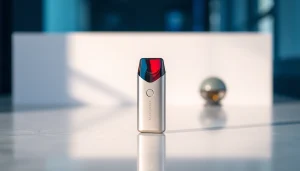
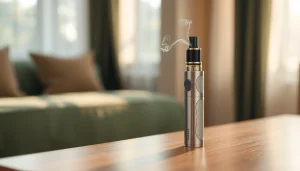
Vape refers to the act of inhaling vaporized liquid, made possible through vaping devices like e-cigarettes, which heat a liquid known as e-liquid or vape juice. E-liquids are primarily composed of a mixture of propylene glycol (PG), vegetable glycerin (VG), flavorings, and nicotine. This liquid is vaporized and inhaled, offering an experience that mimics smoking while often providing a wider array of flavors and customizable nicotine levels. The cultural nuance accompanying vaping is extensive; it’s become not just a method of nicotine consumption, but a lifestyle choice and, for many, a social activity.
The Rise in Popularity of Vaping
Over the past few years, vaping has surged in popularity. Various factors contribute to this increase, including the perception of reduced harm compared to smoking traditional cigarettes, the broad array of flavors available, and the advent of social media marketing that has captivated a younger audience. Vaping has become not just a personal habit but a community-driven choice, facilitating social interaction among users. The rise in awareness of the health risks associated with smoking has propelled many adults toward vaping as a less harmful alternative, further increasing its market presence.
Key Ingredients in Vape & E-Liquids
The primary components of e-liquids include:
- Propylene Glycol (PG): A thinner compound that enhances flavor with a slight throat hit, making it resemble tobacco smoke. It’s commonly used in food and pharmaceutical products and is generally considered safe for consumption.
- Vegetable Glycerin (VG): A thicker, sweeter liquid that produces larger vapor clouds. VG is known for its smoother taste and is also used in food products. The combination of PG and VG can greatly affect the overall vaping experience.
- Flavorings: These provide the vast array of flavors consumers enjoy, from fruity and sweet to savory and spicy. Flavor development has become an art in the industry, with both natural and artificial flavorings creating diverse options.
- Nicotine: Often included at varying strengths, nicotine levels can be customized based on user preference, ranging from high concentrations to none at all, catering to a wide audience seeking to manage their nicotine intake.
Types of Vape & E-Liquids Available
Classifying E-Liquids by Flavor Profiles
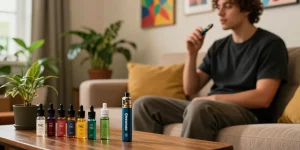
E-liquids come in a multitude of flavor combinations, catering to nearly every personal preference. They can generally be categorized into the following profiles:
- Fruit Flavors: Popular choices that include everything from strawberries to exotic mangoes. These flavors are vibrant and often preferred by those who enjoy a sweet taste.
- Dessert Flavors: Sweet, rich flavors such as vanilla custard, chocolate cake, or caramel have gained immense popularity for those with a sweet tooth.
- Menthol and Mint Flavors: These provide a cooling sensation in the mouth, often sought after by former menthol cigarette smokers.
- Tobacco Flavors: Closest to the experience of traditional smoking, these products often appeal to those transitioning from cigarettes.
- Mixed Flavors: Complex blends that combine multiple flavor profiles for a unique experience. They often include combinations such as fruit with menthol, dessert with tobacco, etc.
Differentiating Between Nicotine Options
Nicotine levels in e-liquids vary widely, aligning with user experience and habits. Understanding these options is crucial for users looking to manage their nicotine intake effectively:
- High Nicotine: Typically around 18-24 mg/ml, suited for heavy smokers seeking to satisfy cravings.
- Moderate Nicotine: Range from 6-12 mg/ml, ideal for social or moderate smokers.
- Low Nicotine: Concentrations between 0-6 mg/ml provide a lighter experience, often chosen by those looking to taper down.
Identifying PG/VG Ratios
The ratio of PG to VG in e-liquids can dramatically impact the vaping experience:
- 70/30 PG/VG: Offers a good mix of throat hit and vapor production, popular among users who crave flavor.
- 50/50 ratio: This balanced blend is often appreciated by users who want both decent vapor and throat hit.
- 100% VG: Recommended for users with allergies to PG, providing thicker clouds and a smoother hit.
How to Choose the Right Vape & E-Liquids
Assessing Flavor Preferences
Choosing the right flavor is a personal journey. Start by identifying what flavors you commonly enjoy, whether they are fruity, sweet, or bold. Most vape shops offer tasting stations, allowing you to sample various options. Remember to consider seasonal preferences as tastes can shift over time.
Understanding Nicotine Strength Choices
Selecting the appropriate nicotine strength is crucial for a satisfying vaping experience. New users should consider starting with higher nicotine levels, particularly if they are transitioning from cigarettes, and gradually reducing intake to lower levels as they adapt to vaping.
Evaluating Brand Reputations
Not all e-liquids are created equal. It’s essential to investigate brand reputations, focusing on their quality control processes, user reviews, and safety standards. Brands that have undergone third-party testing are typically more reliable, providing confidence in the safety and quality of the product.
Best Practices for Enjoying Vape & E-Liquids
Proper Storage Techniques
Ensuring longevity and maintaining the quality of your e-liquids begins with proper storage. Store e-liquids in a cool, dark place to avoid exposure to heat and sunlight, which can degrade flavor and potency. Ideally, they should be kept in a sealed container to prevent leakage and contamination.
Maintenance of Vaping Equipment
Regular maintenance of your device enhances performance and flavor quality. Clean your vape tank routinely to remove residue and buildup, and replace your coils based on usage patterns. In general, coils should be replaced every 1-3 weeks, depending on the frequency of usage.
Safety Guidelines to Follow
Vaping is generally considered safer than smoking traditional cigarettes, but it’s still crucial to follow safety precautions:
- Avoid overcharging your device to prevent battery damage.
- Keep e-liquids out of reach of children and pets.
- Know how to store and dispose of batteries properly to minimize risks.
The Future of Vape & E-Liquids: Trends to Watch
Innovations in Flavor Development
The ongoing trend in flavor innovation promises exciting developments. Manufacturers continuously experiment with unique flavor combinations, introducing new profiles that keep consumer interest piqued. Advances in flavor extraction technology may also lead to more authentic and diverse flavor options in the future.
Potential Regulatory Changes
As the vaping industry grows, it is likely to face scrutiny from regulatory bodies. Potential changes in e-liquid composition regulations, marketing guidelines, and flavor restrictions are critical trends to monitor. Staying updated on legalities will be essential for both consumers and manufacturers to navigate the evolving landscape.
Growing Market Insights and Projections
The vaping market has shown exponential growth, particularly among young adults. With increasing acceptance and product diversity, it’s expected that the market will continue to expand. Consumer awareness around quality, safety, and the range of available products will likely guide purchasing decisions, suggesting a shift towards premium brands offering tested and safe e-liquids.