
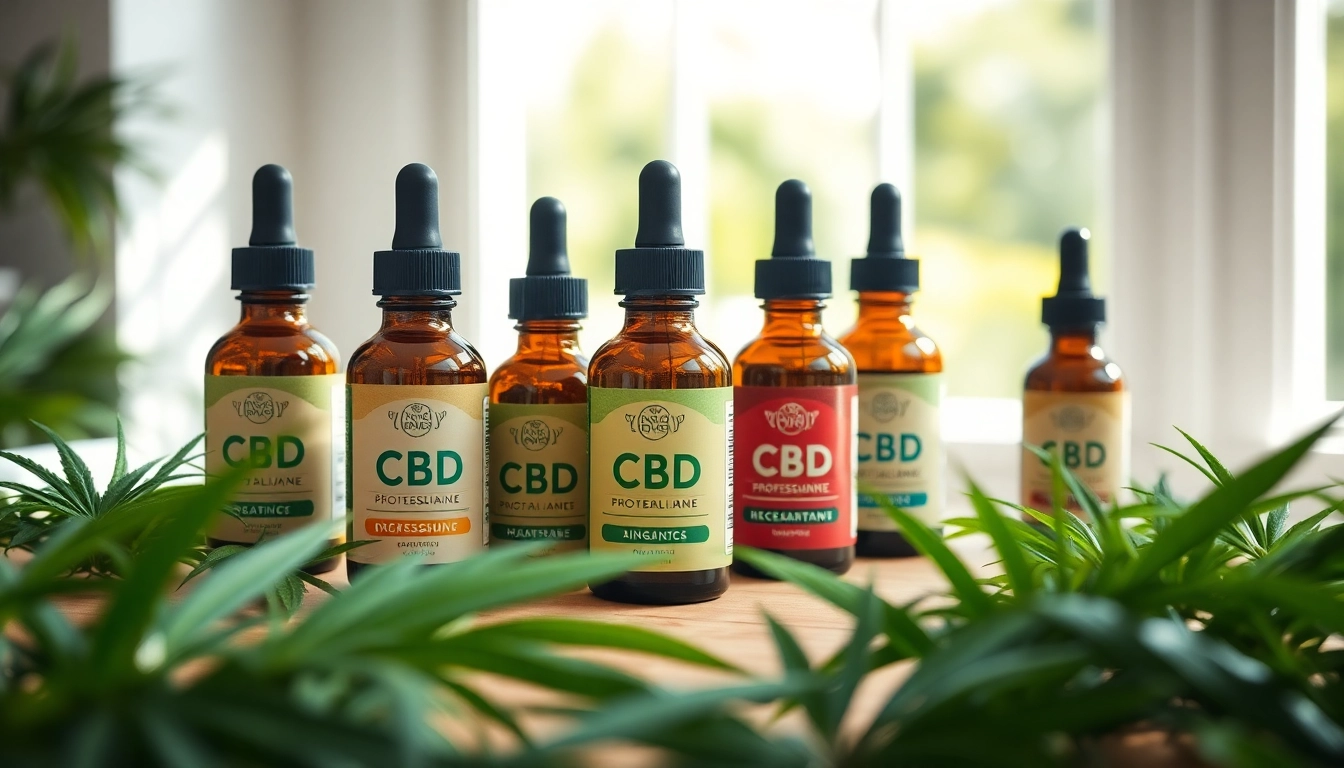
Introduction to CBD: What You Need to Know
Cannabidiol, commonly referred to as CBD, is an intriguing compound that has garnered significant attention in recent years due to its potential therapeutic benefits. As one of the primary active ingredients found in cannabis, CBD is derived from the hemp plant and is widely regarded for its non-psychoactive properties. This means that unlike its more famous counterpart, THC (tetrahydrocannabinol), CBD does not induce a "high" sensation. In this article, we will explore the multifaceted world of CBD, delving into its definition, operations within the body, legal status, health benefits, product selection, incorporation into daily routines, and safety considerations.
Definition and Origin of CBD
CBD is one of over 100 identified cannabinoids in the cannabis plant. Unlike THC, CBD is believed to have a range of health benefits without the psychoactive effects. Cannabinoids interact with the body’s endocannabinoid system (ECS), a complex network that helps regulate various physiological processes, including mood, sleep, appetite, and immune response.
The origin of CBD traces back to its discovery in the early 20th century when researchers began isolating various cannabinoids. The hemp plant, from which CBD is primarily derived, has been used for thousands of years for its fibers, seeds, and oils, but its medicinal properties are more recent revelations. As research continues to evolve, CBD has emerged as a popular alternative for those seeking natural relief from ailments.
How CBD Works in the Body
To understand how CBD interacts within the body, it’s essential to consider the endocannabinoid system. The ECS consists of two primary receptor types: CB1 and CB2. CB1 receptors are primarily located in the brain and central nervous system, while CB2 receptors are found in the peripheral nervous system and immune cells. CBD does not bind directly to these receptors; rather, it appears to affect them indirectly, enhancing the body’s own endocannabinoids and promoting homeostasis.
The therapeutic potential of CBD is notable in conditions such as anxiety, chronic pain, and epilepsy. For instance, in studies focused on anxiety management, CBD has shown promise by modulating serotonin receptors, which play a crucial role in mood regulation.
Legal Status and Regulation of CBD
The legal status of CBD can be complex and varies by region. In many countries, CBD derived from hemp with less than 0.3% THC is legal, thanks to the 2018 Farm Bill in the United States that legalized hemp production. However, the regulatory landscape continues to evolve. In some states, CBD remains restricted or regulated as a controlled substance.
Consumers should be diligent and check local laws before purchasing CBD products. Additionally, regulatory bodies like the FDA are actively monitoring the market for CBD products to ensure safety and efficacy, offering guidance on labeling and marketing practices.
Health Benefits of CBD: Exploring the Research
Research on CBD is expanding rapidly, shedding light on its potential health benefits. While many studies are preliminary, the findings suggest several therapeutic applications.
Relief from Anxiety and Stress
One of the most well-documented uses of CBD is its potential to alleviate anxiety. Studies have demonstrated that CBD may help reduce the anxiety associated with public speaking, social anxiety disorder, and generalized anxiety disorder. In a placebo-controlled study, participants who received CBD before a public speaking challenge exhibited significantly lower anxiety levels compared to those who received a placebo.
The anxiolytic effects of CBD might be attributed to its influence on serotonin receptors in the brain. By enhancing the signaling of these receptors, CBD can help stabilize mood and reduce feelings of anxiety.
Managing Chronic Pain with CBD
Chronic pain is a prevalent condition affecting millions globally, and CBD has emerged as a viable option for pain management. Anecdotal evidence, along with preliminary studies, suggests that CBD may effectively ease pain through its anti-inflammatory properties.
Research indicates that CBD can reduce pain signals sent to the brain. For instance, in patients suffering from multiple sclerosis, the application of CBD has resulted in reduced muscle spasticity and overall pain relief. Furthermore, CBD's non-addictive nature makes it an attractive alternative to opioids and other pain medications.
Potential Impact on Sleep Disorders
Sleep disorders, including insomnia and sleep apnea, have become increasingly common, with a significant percentage of the population affected. CBD has been noted for its potential to promote better sleep quality and duration.
One study revealed that CBD improved sleep scores for those with anxiety-induced insomnia. Additionally, CBD may influence sleep by addressing underlying issues such as anxiety and chronic pain, leading to improved overall sleep quality. While more extensive research is necessary to establish definitive conclusions, the findings are promising for individuals seeking natural remedies for sleep disturbances.
Choosing Quality CBD Products: A Buyer’s Guide
The rapid growth of the CBD market has resulted in an influx of products, which can make it difficult for consumers to determine the quality and efficacy of what they are purchasing. Understanding how to select high-quality CBD products is crucial for ensuring safety and effectiveness.
Understanding CBD Product Labels
When evaluating CBD products, paying close attention to labels is essential. Consumers should look for the following information:
- CBD Concentration: The amount of CBD per serving should be clearly listed.
- Ingredients: Check for any harmful additives or fillers that might compromise product quality.
- Source: Know where the hemp was sourced and whether it is organic.
- THC Content: Ensure that the product contains less than 0.3% THC to comply with legal standards.
Types of CBD Extracts: Full-Spectrum vs. Isolate
CBD products typically fall into three categories based on the type of extract used:
- Full-Spectrum: Contains all cannabinoids, terpenes, and flavonoids found in the cannabis plant, including up to 0.3% THC. This may enhance the entourage effect, where different compounds work synergistically to boost therapeutic effects.
- Broad-Spectrum: Similar to full-spectrum but without THC. This option provides some benefits of the entourage effect while avoiding psychoactive effects.
- CBD Isolate: Pure CBD with no additional cannabinoids or terpenes. While this option may be preferable for those seeking to avoid THC altogether, it lacks the potential benefits of the entourage effect.
Third-Party Testing and Transparency
Reputable CBD manufacturers conduct rigorous testing through third-party laboratories to ensure the quality and safety of their products. When selecting CBD products, consumers should look for:
- Certificates of Analysis (COA): These documents detail the cannabinoid profile, potency, and purity of the product.
- Transparency: Brands should openly share lab results, production methods, and sourcing information to build trust with consumers.
How to Incorporate CBD into Your Daily Routine
Incorporating CBD into a daily routine can be straightforward, and there are several methods of consumption available to suit diverse preferences.
Various Methods of Consumption
CBD can be consumed in multiple forms, including:
- Oils and Tinctures: Generally taken sublingually for quick absorption.
- Capsules: Offer pre-measured doses and convenience.
- Edibles: CBD-infused foods and beverages provide a tasty way to consume CBD. However, they may take longer to take effect.
- Topicals: Creams and balms that are applied directly to the skin, ideal for localized pain relief.
Dosing Guidelines for CBD Products
Finding the right dosage for CBD can be a trial-and-error process influenced by factors such as body weight, metabolism, and the severity of the condition being treated. A common guideline suggests starting low and gradually increasing the dosage. A typical starting dose may range from 10-20 mg of CBD, taken once or twice a day, while monitoring effects and adjusting as needed.
It's vital to consult with a healthcare professional to establish a personalized dosing strategy, especially if other medications are being taken concurrently.
Combining CBD with Lifestyle Changes
For optimal health benefits, CBD can be more effective when integrated into a comprehensive wellness plan. Incorporating lifestyle changes such as regular exercise, a balanced diet, and stress management practices can enhance the overall efficacy of CBD. Moreover, establishing a routine helps to maintain consistent levels of CBD in the system, maximizing its potential benefits.
Safety and Side Effects of CBD: What to Consider
While CBD is generally considered safe for most people, there are important considerations to keep in mind regarding potential side effects and interactions with other medications.
Common Side Effects and How to Mitigate Them
Some users of CBD may experience side effects, including:
- Dry mouth
- Drowsiness
- Changes in appetite
- Diarrhea
To mitigate these effects, it is advisable to start with a lower dose and gradually increase it, staying attuned to how the body responds. Staying hydrated and consuming CBD with food may also help reduce gastrointestinal discomfort.
Interactions with Other Medications
CBD can interact with various medications, particularly those that have a "grapefruit warning". It is essential to consult a healthcare professional before incorporating CBD into a regimen, especially for individuals taking medications for conditions such as anxiety, depression, or seizures.
When to Consult a Healthcare Professional
Individuals considering using CBD, particularly those with pre-existing health conditions or those who are pregnant or breastfeeding, should seek guidance from a healthcare professional. Professional advice ensures that CBD is used safely and effectively within the context of one's overall health plan.
The exploration of CBD continues to evolve, and as more research emerges, consumers will gain deeper insights into its potential benefits and applications. By understanding the nuances of CBD, individuals can make informed decisions about its use and find the relief they seek.