
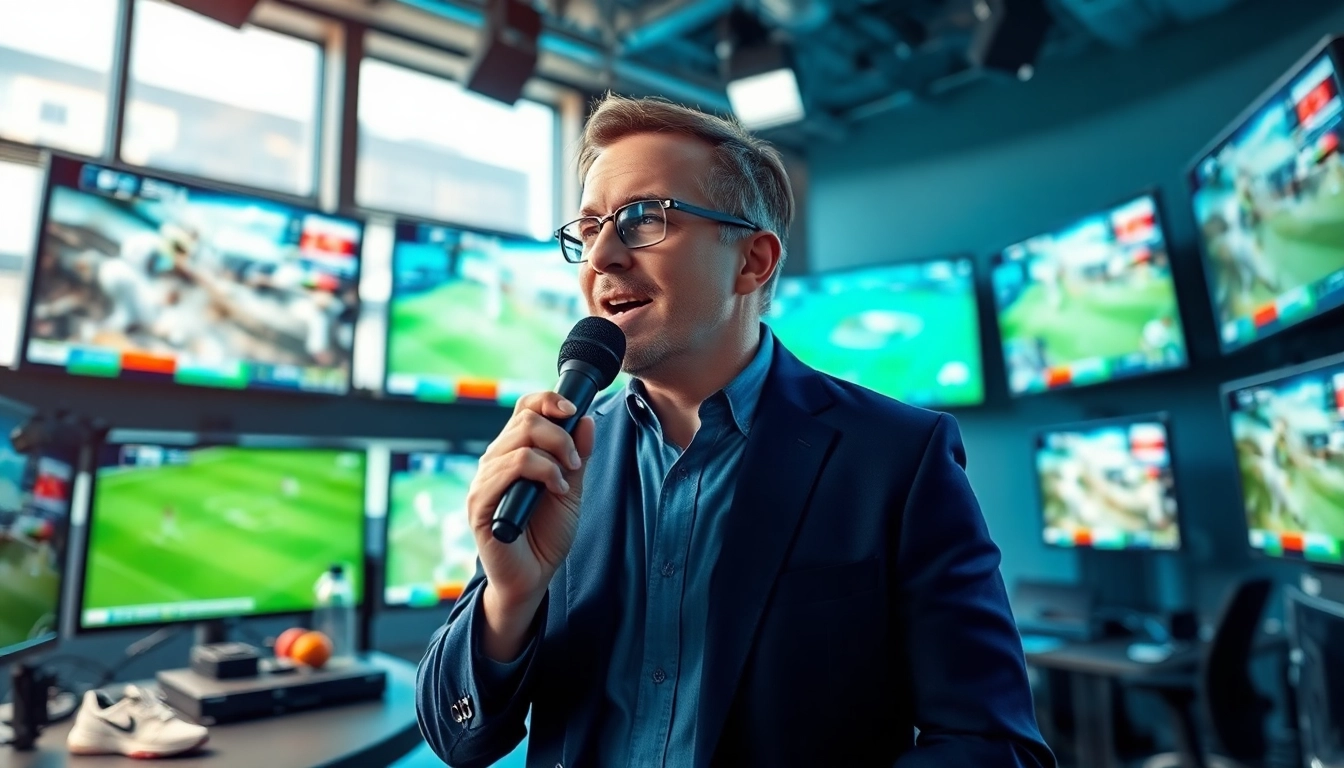
Understanding Sports Broadcasting Basics
What is Sports Broadcasting?
Sports broadcasting refers to the process of transmitting sports events to an audience via various platforms, including television, radio, and online streaming services. This ecosystem allows sports fans to engage with their favorite games live or on-demand, regardless of geographic constraints. The landscape of Sports Broadcasting has evolved over the years, adapting to technological advancements and changing viewer preferences, making content accessible anywhere, anytime.
Key Components of Sports Broadcasting
The core components of sports broadcasting include the following:
- Production Teams: These include directors, producers, camera operators, and technicians who facilitate the broadcast's visual and audio quality.
- Sports Analysts: Experts who provide insights, commentary, and analysis during broadcasts to enhance viewer understanding and enjoyment.
- Affiliates and Networks: Companies that own the rights to broadcast specific sports leagues or events, distributing content through various channels.
- Distribution Platforms: Technologies that deliver broadcast content, such as cable, satellite, or online streaming services.
The Evolution of Sports Broadcasting
Sports broadcasting has undergone significant changes since its inception. Early broadcasts began with radio in the 1920s, allowing fans to follow games via play-by-play commentary. The advent of television in the 1950s transformed the industry, bringing visuals to fan engagement. Today, the emergence of streaming platforms has diversified how content is consumed and has given rise to concepts like "on-demand" viewing and "cord-cutting." The industry continues to evolve, focusing on high-definition broadcasts, virtual reality experiences, and interactive features that cater to tech-savvy audiences.
Essential Skills for Sports Broadcasting
Communication Skills in Sports Broadcasting
Strong communication is foundational in sports broadcasting. Broadcasters must effectively convey information, narrate events dynamically, and maintain audience engagement throughout the game. This includes mastering verbal communication, understanding body language, and adapting language to fit the target audience, whether casual fans or die-hard enthusiasts. Successful broadcasters also demonstrate active listening, allowing for spontaneous commentary that enhances the viewing experience.
Research Skills for Sports Analysts
In-depth research abilities are crucial for sports analysts to present accurate and relevant information. Analysts must stay updated on player statistics, team strategies, historical contexts, and current events influencing sports. This involves constant learning, fact-checking, and synthesizing information to provide insightful commentary that enriches the viewing experience while fostering credibility with the audience.
Technical Skills and Equipment Mastery
Familiarity with broadcasting equipment and technology is an essential skill set for sports broadcasters. This includes mastering audio and video equipment, understanding broadcasting software, and learning to navigate live streaming technologies. Proficiency in using social media platforms for broadcasting also falls under this realm, as modern sports commentators often engage live with fans during events.
Production Workflow in Sports Broadcasting
Pre-Production Planning
Pre-production is pivotal in ensuring a seamless broadcast. This phase involves meticulous planning, including selecting the venue, coordinating with teams, and establishing timelines. Scriptwriting and developing a rundown are also crucial steps that help the production team know what to expect during the event. Pre-production meetings with analysts and broadcasters to discuss storylines and key player features can significantly enhance the broadcast's depth and relevance.
Live Production Techniques
During live broadcasts, orchestration and communication are critical. The production team must work in harmony to adapt to the unpredictable nature of sports. This includes effective use of multiple camera angles, instant replays, and timely graphics to enhance the viewer's experience. Real-time analytics and gameplay timelines should be monitored to provide viewers with an enriched perspective of game dynamics.
Post-Production Best Practices
Post-production activities involve editing footage, creating highlight reels, and compiling analysis pieces that can be shared digitally. Careful review of viewer feedback plays a significant role in refining future broadcasts. Engaging audiences with curated content—such as top plays of the week or commentary on critical matches—can keep fans involved even after the game has concluded. This phase is vital for audience retention and enhancing loyalty to broadcast platforms.
Enhancing Viewer Engagement in Sports Broadcasting
Storytelling Techniques for Analysts
Storytelling elevates a broadcast by providing context to events. Analysts should effectively convey backstories, highlight rivalries, and explain why specific moments matter, which can enhance viewer immersion. Creating narratives around players' journeys, team aspirations, or significant matches can transform data and statistics into compelling content that resonates deeply with audiences.
Utilizing Social Media Effectively
Social media serves as a dynamic platform for enhancing viewer engagement. Broadcasters and analysts can leverage these channels to initiate discussions, share behind-the-scenes content, and gather real-time viewer feedback. Engaging with fans on platforms such as Twitter or Instagram not only broadens the reach but also fosters a sense of community among fans and builds stronger relationships with the audience.
Creating Interactive Experiences
Modern broadcasting is moving toward interactive formats, where fans can participate in polls, quizzes, and live chats during events. This engagement transforms passive viewers into active participants, enhancing their overall experience. Incorporating augmented reality graphics or Q&A sessions with analysts before and after games offers a fresh dimension to sports broadcasting that captivates audiences beyond traditional media.
Measuring Success in Sports Broadcasting
Analyzing Viewer Ratings and Feedback
Viewer ratings are crucial metrics for assessing the performance and popularity of sports broadcasts. High ratings indicate successful content delivery, while feedback can pinpoint strengths and areas for improvement. Techniques such as surveys, social media sentiment analysis, and focus groups provide invaluable insights that can shape future broadcasting strategies and content creation.
Metrics for Advertising Success
Advertising is an integral revenue stream for sports broadcasting. Success can be measured through metrics such as ad viewership, audience demographics, and conversion rates. Understanding these metrics helps broadcasters tailor content that maximizes advertising efficiency and appeal. By analyzing which advertisements engage viewers best, productions can shape their ad strategies and foster symbiotic relationships with advertisers.
Future Trends in Sports Broadcasting
As technology advances, future trends in sports broadcasting are likely to include enhanced use of artificial intelligence for real-time statistics, augmented reality for live gameplay analysis, and more personalized viewing experiences driven by data analytics. The heavy emphasis on interactive experiences suggests that broadcasters will increasingly engage with audiences on multiple platforms simultaneously, ensuring that content is not only consumed but also enjoyed in a more immersive way.
Frequently Asked Questions
What skills are essential for sports broadcasters?
Essential skills include strong communication, in-depth research abilities, technical proficiency with equipment, and the capacity to engage audiences through storytelling.
How has sports broadcasting evolved over time?
Sports broadcasting has evolved from radio broadcasts to television and now online streaming, adapting technology to enhance viewer engagement.
What is the role of social media in sports broadcasting?
Social media enhances viewer interaction, allowing broadcasters to engage fans, share insights, and collect real-time feedback during events.
How do I measure the success of a sports broadcast?
Success can be measured using viewer ratings, audience demographics, feedback, and the effectiveness of advertising metrics.
What trends are expected in the future of sports broadcasting?
Future trends include personalized experiences, the use of AI for real-time insights, augmented reality features, and greater audience interactivity.