
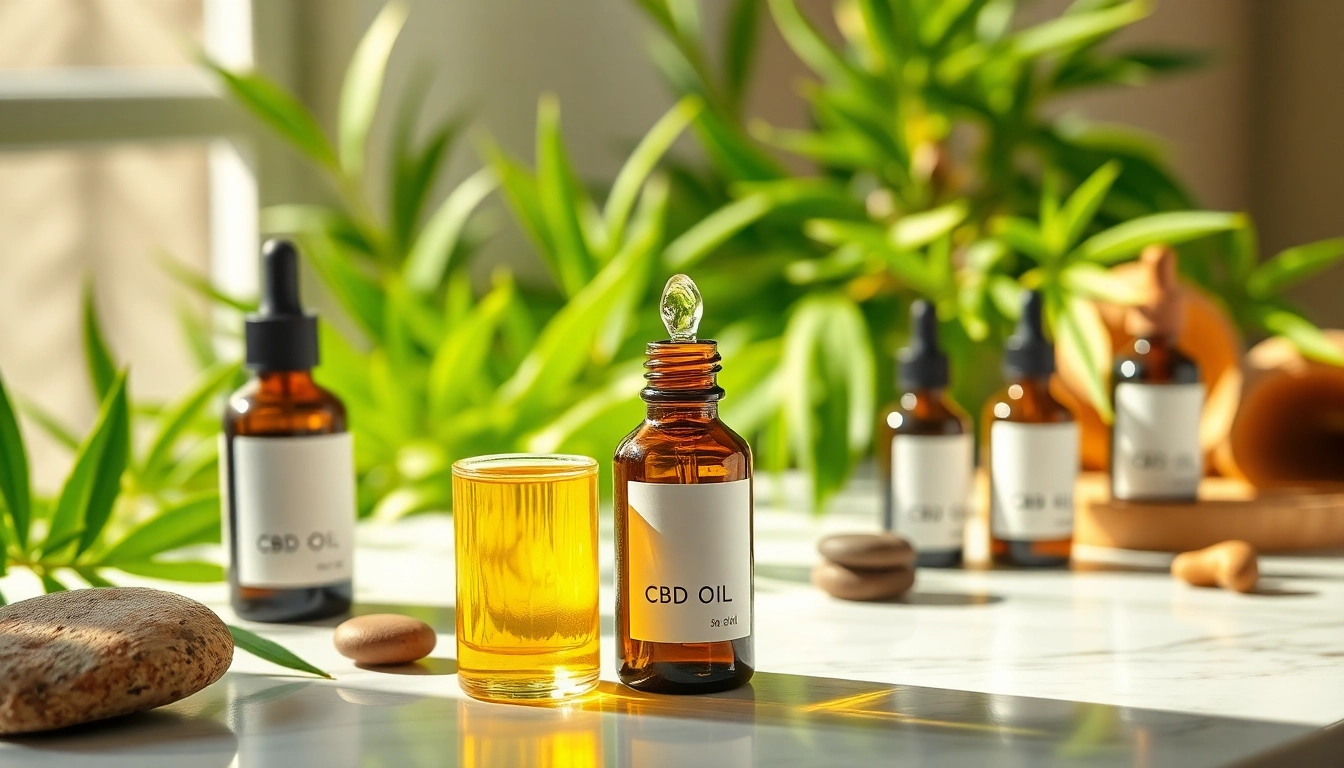
Understanding CBD Oil for Skin: What You Need to Know
Cannabidiol (CBD) has gained prominence as a wellness ingredient in various sectors, including skincare. CBD oil for skin is now celebrated for its purported benefits in tackling numerous skin ailments. This article dives deep into the science, benefits, application methods, and future trends surrounding CBD oil for skin, providing a comprehensive overview of this innovative ingredient.
The Science Behind CBD Oil for Skin
CBD is a compound sourced from the hemp plant, known for its potential therapeutic properties without the psychoactive effects commonly associated with cannabis. One of the pivotal reasons CBD is lauded for skincare is its interaction with the endocannabinoid system (ECS) in human beings. This system plays a vital role in regulating various physiological processes, including immune response and inflammation.
Research indicates that CBD may influence the ECS by binding to receptors in the skin, which could help regulate oil production, inflammation, and other aspects of skin health. Furthermore, CBD is believed to contain antioxidant properties that can combat oxidative stress, contributing to healthier skin.
Common Skin Conditions Treated by CBD Oil for Skin
CBD oil has been linked to alleviating a variety of skin conditions, including:
- Acne: The anti-inflammatory properties of CBD may help in reducing the redness and swelling associated with acne while also regulating sebum production, which can prevent clogging of pores.
- Eczema: Its soothing effect can ease the itching and inflammation often associated with eczema, making it a potential treatment for those suffering from this condition.
- Psoriasis: Studies suggest that CBD can reduce skin cell proliferation, assisting in the management of psoriasis by slowing down excessive skin growth.
- Rosacea: The anti-inflammatory benefits can help reduce flare-ups and redness associated with rosacea.
How CBD Oil for Skin Works Mechanically
Understanding how CBD oil interacts with skin cells at a cellular level is essential to grasp its benefits. The skin possesses a range of cannabinoid receptors (CB1 and CB2), which are part of the ECS. When CBD oil is applied topically, it can bind to these receptors, enhancing skin hydration, reducing inflammation, and potentially regulating oil production. Moreover, CBD oil may inhibit the activity of sebocytes—cells responsible for producing sebum—thus supporting clearer skin.
Health Benefits of CBD Oil for Skin
Anti-inflammatory Properties of CBD Oil for Skin
One of the standout qualities of CBD oil for skin is its anti-inflammatory properties. Multiple studies have indicated that CBD can mitigate inflammation by interacting with receptors to reduce cytokine production, thereby alleviating conditions marked by swelling and discomfort. This characteristic makes it particularly advantageous for inflammatory skin conditions like eczema and acne.
Hydration and Moisture Retention with CBD Oil for Skin
CBD oil is packed with essential fatty acids, such as Omega-6 and Omega-3, which play a critical role in maintaining the skin's moisture barrier. When applied, CBD oil can help enhance hydration levels, preventing moisture loss from the skin and restoring its natural glow. Users often report improved skin texture and elasticity, especially when using products containing CBD oil regularly.
Impact on Acne and Oily Skin Types
Given its ability to regulate sebum production while simultaneously reducing inflammation, CBD oil is increasingly being recognized as a promising treatment for acne-prone skin. By lowering the overproduction of oil, it decreases the likelihood of the pores becoming clogged, reducing the occurrence of breakouts. Furthermore, its antibacterial properties may help combat acne-causing bacteria on the skin’s surface.
How to Incorporate CBD Oil for Skin in Your Routine
Choosing the Right CBD Oil for Skin Products
Selecting the right CBD oil product is crucial for achieving the desired skincare results. Look for products that specify the concentration of CBD, ensuring they are derived from high-quality hemp sources. It’s advisable to choose full-spectrum or broad-spectrum CBD oils, as these products retain other beneficial cannabinoids and terpenes that work synergistically with CBD, enhancing its effectiveness.
Best Practices for Application of CBD Oil for Skin
Application of CBD oil for skin can vary depending on the form of the product. For oils, it is often recommended to:
- Cleanse your face thoroughly to eliminate dirt and makeup.
- Apply a few drops of CBD oil directly onto the skin or mix it into your regular moisturizer.
- Gently massage the oil into your skin using circular motions to enhance absorption.
This method can maximize the benefits by ensuring deeper penetration into the skin layers.
Frequency and Amount: CBD Oil for Skin Dosage Guidelines
Determining the frequency and amount of CBD oil to use largely depends on individual skin needs and product potency. However, a general guideline is to start with a smaller dosage of about 1-2 drops and apply it once daily, gradually increasing as necessary based on skin response. Monitoring how your skin reacts is essential, as some individuals may experience sensitivities that require adjustments in dosage.
Potential Side Effects and Precautions with CBD Oil for Skin
Understanding Allergic Reactions to CBD Oil for Skin
Even though CBD oil is generally well-tolerated, there is a possibility of allergic reactions in certain individuals—particularly those with sensitive skin or allergies to cannabis. It is prudent to conduct a patch test before full application to identify any adverse reactions. A small amount of CBD oil can be applied to a discreet area, observing for any irritation or discomfort over 24 hours.
Interactions with Other Skincare Ingredients
When incorporating CBD oil for skin into your skincare regime, be mindful of potential interactions with other products. For example, products containing retinoids, alpha hydroxy acids (AHAs), or beta hydroxy acids (BHAs) may increase skin sensitivity. It is recommended to alternate the use of these products to avoid overwhelming the skin, ensuring it remains balanced and healthy.
Consulting Professionals Before Use of CBD Oil for Skin
Before integrating new skincare products—especially those featuring active ingredients like CBD—consulting with a dermatologist or skincare professional can provide personalized advice. They can assess individual skin types, conditions, and concerns while advising on the appropriate formulations and application methods.
Future Trends in CBD Oil for Skin Products
Innovations in CBD Oil for Skin Formulations
As the demand for CBD-infused skincare products continues to grow, various innovations are emerging. Companies are exploring new formulations, including CBD-infused creams, serums, and even makeup products. Future research may unlock additional benefits and novel delivery methods for enhancing the bioavailability of CBD, increasing its efficacy in skincare.
Market Growth and Consumer Demand for CBD Oil for Skin
The CBD skincare market has witnessed significant growth in recent years, fueled by increasing consumer awareness of the potential benefits of CBD oil. As more people become conscious of their skincare routines and preferences for natural ingredients, the demand for CBD products is anticipated to rise, making it an integral part of contemporary beauty standards.
Regulatory Developments Impacting CBD Oil for Skin
As with any emerging market, regulatory developments will play a crucial role in shaping the future landscape of CBD products. It is essential to stay informed about regulations surrounding CBD oil, including sourcing, manufacturing, and labeling, to ensure quality and safety standards are maintained for consumers.